
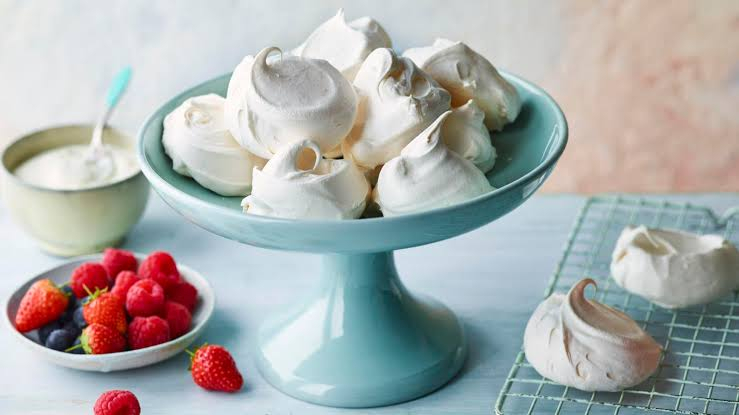
When I first started making meringue, I thought it was one of the simplest things to bake. After all, it’s just egg whites and sugar. However, after batches that turned grainy, collapsed in the oven or refused to whip properly, I realized there was much more to it than following a recipe.
If I’ve learned anything, it’s that the secret to perfect meringue is understanding the technique behind each type and knowing when to use it.
Why Technique Is the Secret to Perfect Meringue
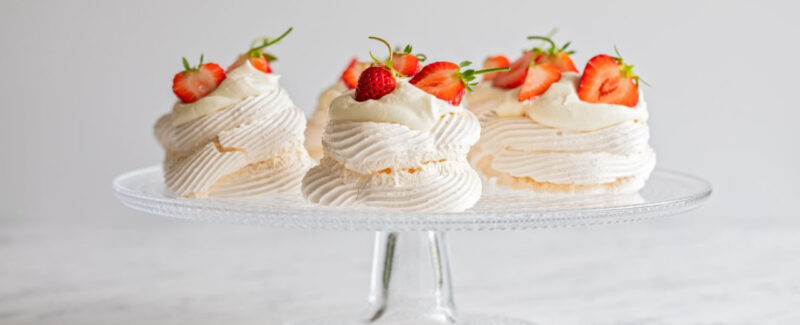
Most meringue recipes look nearly identical on paper, yet the results can vary dramatically. One batch might be beautifully crisp with a marshmallow-soft center, while another turns grainy, collapses or leaks syrup after baking. While many think the difference is the ingredients, it’s the technique.
Everything from the temperature of the egg whites to the speed of the mixer affects the finished product. Even something as simple as a tiny amount of grease left in the mixing bowl can stop the egg whites from reaching their full volume. Professionals understand these variables and control them carefully, producing consistent results every time.
Meringues originated in the 17th century and are still popular today. While methods have become more refined, the basic principle has remained unchanged. This is a reminder that mastering meringue is about perfecting a technique, not following trends.
Understanding the 3 Classic Meringues
Although they all rely on egg whites and sugar, French, Swiss and Italian meringues are prepared differently. Each has its own texture, level of stability and ideal uses.
-
French Meringue
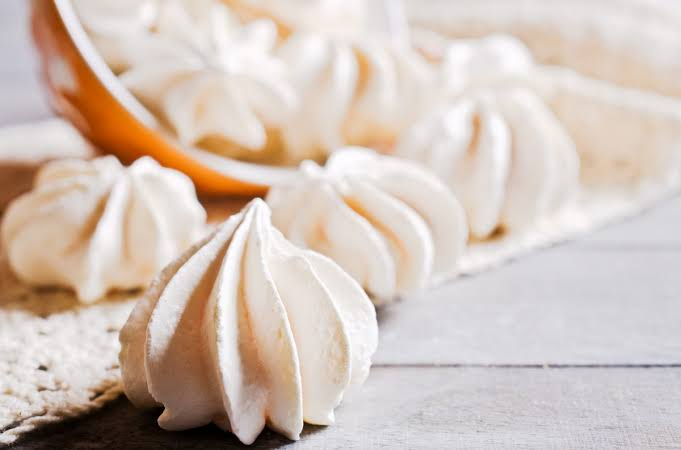
French meringue is the simplest and most familiar version. Egg whites are whipped until foamy before sugar is gradually added until stiff, glossy peaks form.
I use French meringue whenever I want crisp meringue cookies or pavlovas because it creates a wonderfully light texture. At the same time, I learned that it’s the least forgiving. Since the egg whites aren’t heated, they lose stability quickly and need to be baked soon after they’re mixed.
-
Swiss Meringue
Swiss meringue felt like a big step up when I first tried it. Heating the egg whites and sugar together before whipping seemed like an extra step, but the results were noticeably smoother. I now reach for Swiss meringue when making buttercream or pie toppings because it produces a silky texture that’s much easier to work with and holds its shape better than French meringue.
-
Italian Meringue
Italian meringue was definitely the most intimidating at first because it involves making a hot sugar syrup. It took a few attempts before I felt comfortable pouring the syrup into the whipping egg whites. Once I understood the process, I could see why professionals use it so often.
The finished meringue is glossy, incredibly stable and perfect for buttercream, mousses and desserts that need to hold their shape for hours.
The Habits That Improved My Meringue the Most
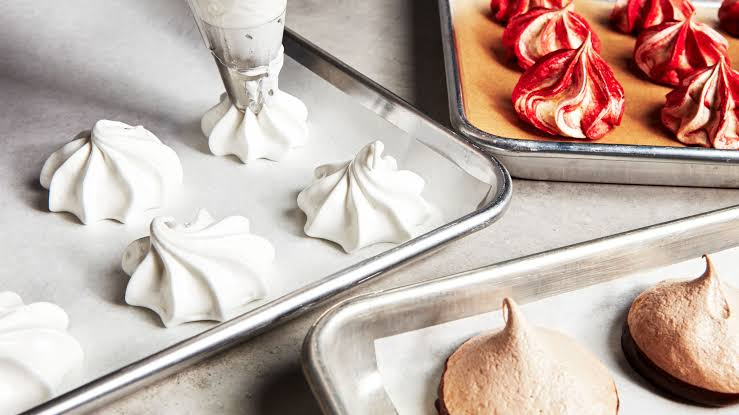
Over time, I realized that getting consistent results has much more to do with developing good habits than finding a better recipe.
- I always use room-temperature egg whites because they whip more easily.
- I make sure every bowl and whisk is completely free from grease.
- I separate my eggs carefully so even a tiny amount of yolk doesn’t get into the whites.
- I add the sugar slowly instead of tipping it in all at once.
- I stop mixing once I reach glossy stiff peaks instead of trying to whip longer.
- I bake meringue gently at a low temperature.
- I let it cool gradually to reduce the chances of cracking.
For me, these small adjustments became the secret to perfect meringue because they consistently produced smoother, stronger results.
The Mistakes I Kept Making
Looking back, most of my failed batches came down to rushing. I used to turn my mixer straight to its highest speed, thinking it would save time. Instead, it created large air bubbles that weren’t very stable.
I also learned the hard way that adding sugar too quickly can leave the mixture grainy and make it much more likely to crack. Humidity was a factor more than once.
On damp days, my perfect crisp meringues sometimes became sticky within hours, even when I’d followed the recipe exactly. Recognizing these patterns helped me understand that the best results come from learning what each mistake teaches you and adjusting your technique the next time.
What Professionals Do Differently
The more I learned about professional pastry kitchens, the more I noticed that they focus on consistency rather than shortcuts. They weigh ingredients instead of estimating, pay close attention to temperatures and watch the meringue rather than relying on a timer.
Many also use a small amount of cream of tartar or lemon juice to help stabilize the egg whites. The biggest lesson I took away was understanding the science behind the process and consistently applying good technique.
What Is the Secret to Perfect Meringue?
I still think meringue is beautifully simple, but I no longer think it’s effortless. French, Swiss and Italian meringues all begin with the same basic ingredients, yet each behaves differently and rewards careful technique in its own way.
Once I stopped treating meringue as just another recipe and started paying attention to the method, my results became far more consistent.