
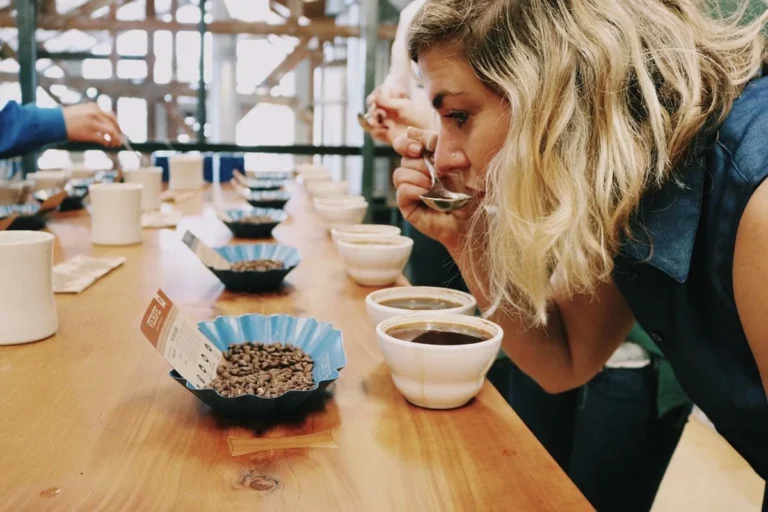
I’ve always believed that understanding your ingredients makes you a better cook, and coffee is no exception. When I started learning how coffee beans develop their flavor, my morning cup became so much more flavorful. Coffee flavor begins in the green bean, shifts with geography and changes during roasting. Once you understand this journey, making coffee goes from a morning ritual to an experience.
How Are Coffee Beans Roasted?
Before any heat touches a coffee bean, the raw green bean already contains all the building blocks for flavor. I think of it like flour. That flour holds incredible potential despite its unassuming appearance. These green beans have high levels of protein that help drive the flavor-forming reactions we recognize in our cups after roasting.
According to a study published in Recent Advances in Food Nutrition & Agriculture, green coffee beans naturally lose 15% of their protein during roasting, which forms the foundation for the flavors we taste after roasting. This change in chemistry transforms the brew’s color, taste and aroma.
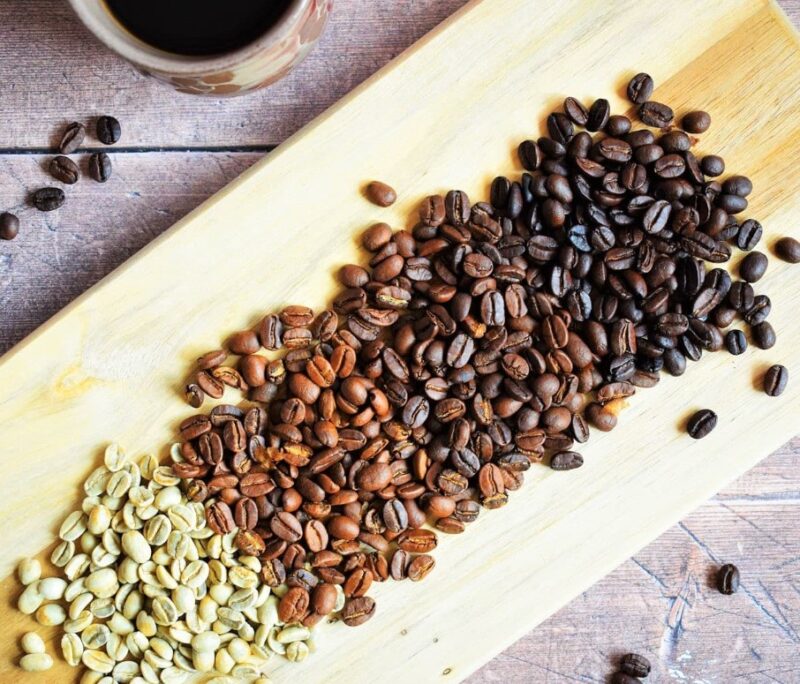
Without these proteins, you wouldn’t get the complex aromas and tastes that make coffee so distinctive. Think of them as the raw ingredients in a recipe. They’re present from the start, waiting to be transformed.
How High-Altitude Environments Shape Flavor
Geography plays a huge role in how your coffee tastes. I’ve learned that where a bean grows affects its chemical makeup, which directly influences what you taste in your cup, and that growing conditions set the stage for everything that happens later.
The cold weather in high-altitude regions prolongs the bean’s maturation, allowing acidity to develop further. Mineral-rich soil has the same effect. According to Joe’s Garage Coffee, Ethiopian beans from mountainous regions often have such bright, vibrant flavors because the higher the altitude of the beans, the more acidic they become. That acidity gives coffee its depth and character, much like citrus zest brightens a dish.
The Roasting Process and the Maillard Reaction
Once green beans leave the farm, they head to the roaster. During roasting, the Maillard reaction occurs between the beans’ proteins, amino acids and sugars. This creates the aromas and flavors we associate with coffee. If you’ve ever seared a steak and watched it turn golden brown, you’ve seen this reaction in action. When I first learned this connection, it completely changed how I thought about cooking.
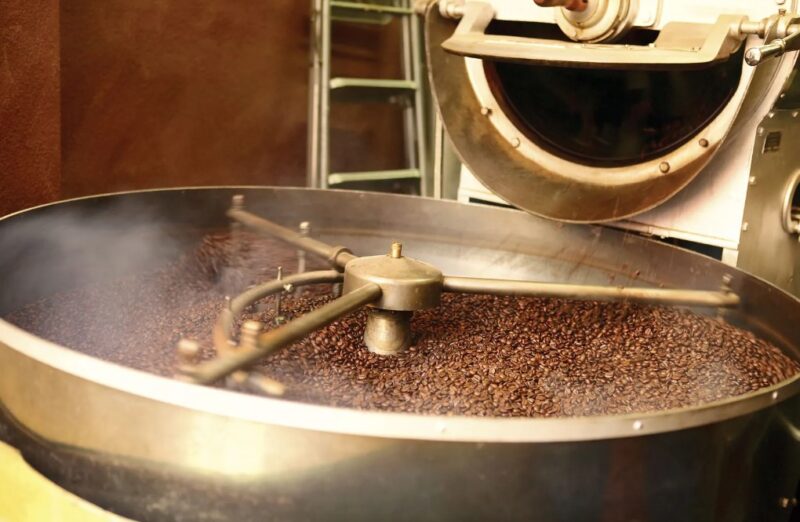
The Maillard reaction changes simple ingredients into complex flavors. Total soluble protein concentration starts at 14 to 23 grams, then drops down to 3 to 10 grams per 100 grams dry weight as heat breaks down and changes proteins. Those changes, along with reactions between amino acids and sugars, help create distinct, strong-smelling aromas and tasty brown polymers that are extracted into your cup during brewing. These compounds can give you nutty, fruity or caramel notes.
The longer and hotter the roast, the more pronounced these compounds become. As heavy roast-driven notes become stronger, lighter origin-specific notes, such as fruit and florals, gradually disappear.
Breaking Down Key Flavor Compounds
As those proteins and sugars break down, you get specific flavor notes you can actually identify in your cup.
Sugar browning produces sweet and caramel notes. This is why medium roasts often taste smooth and balanced. When sugars caramelize, they add that pleasant sweetness without needing any added sugar in your cup, while amino acids produce nutty and roasted notes as they break down. This is most noticeable in darker roasts where those deep, toasted flavors become especially prominent.
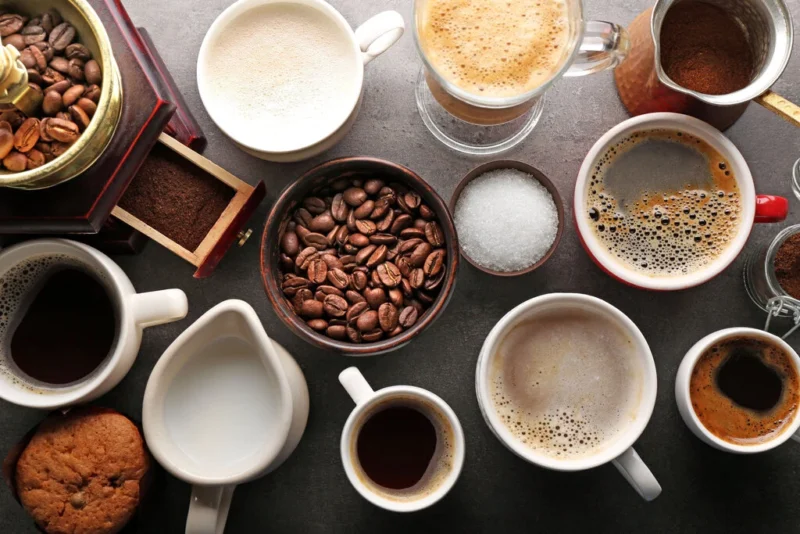
Lighter roasts retain more of the bean’s original characteristics because less breakdown has occurred, giving you floral, fruity or even tea-like notes. Push the roast further, and you get chocolate, smoky or spicy flavors as the Maillard reaction continues.
Why the First Crack Matters
When roasters talk about the first crack, they’re usually talking about an important milestone in the roasting process. As beans heat up, the moisture inside turns to steam and escapes, causing the bean to physically pop. I compare it to popcorn kernels bursting.
The first crack signals that pressure from water vapor and gases is causing the bean’s structure to expand and fracture. Roasters typically pull light roasts shortly after this happens, preserving those bright, acidic notes and origin flavors. Medium roasts stay in the roaster a bit longer to balance acidity with sweetness, while dark roasts continue well past the first crack, where oils rise to the surface, and roasted flavors dominate.
Matching Your Roast to the Right Meal
Once I understood all this, pairing coffee with food became second nature. I think about coffee roasts the same way I think about seasoning. You match the intensity to the dish.
Light roasts with their bright acidity work beautifully with breakfast foods like yogurt, fruit or pastries. That acidity cuts through richness and brings out fresh flavors in ways I never expected.
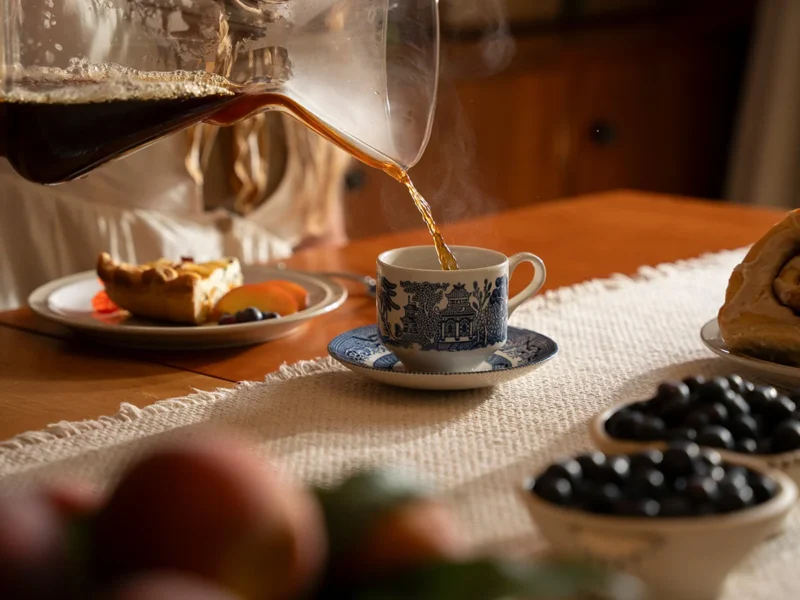
Medium roasts? They’re my weekday go-to. The balance makes them perfect for mid-morning snacks, muffins or even for pairing with a turkey sandwich without overwhelming anything on the plate.
When I’m having chocolate desserts, grilled meats or anything with bold, savory flavors, I reach for a dark roast. The roasted, smoky notes can actually stand up to those stronger tastes instead of disappearing.
Brewing It All Together in Your Kitchen
Understanding how flavor develops as coffee beans are roasted has completely changed how I approach my morning coffee. I choose my beans based on what I’m eating and what flavors I want to highlight.
The chemistry might sound complex, but it all comes down to knowing your ingredients. Start paying attention to where your beans come from, how coffee beans are roasted and what flavors you’re tasting. Your coffee ritual will become so much more rewarding.